Texture packs—officially known as resource packs in Java Edition—completely transform the look and feel of Minecraft, updating block textures, items, user interfaces, and sounds. Whether you play on PC, console, or mobile, this guide will show you how to download and install your favorite packs for both Java and Bedrock editions.
If you are looking for advanced visual overhauls that require higher performance, you might also want to check out How to Install Shaders to pair with your new texture pack.
Using texture packs designed for older or newer versions of Minecraft can cause missing textures, pink-and-black glitch blocks, or UI bugs. Always verify that your pack targets your exact game version.
1. Download a Texture Pack
First, find and download a texture pack from a trusted Minecraft community site. Make sure the pack matches your current version of the game, such as Java Edition 1.21. Texture packs are typically downloaded as a .zip file for Java Edition, or a .mcpack file for Bedrock Edition.
Do not extract or unzip the downloaded file; Minecraft needs the compressed archive to read the pack properly.
2. Open the Resource Packs Folder (Java Edition)
If you are playing Minecraft Java Edition, launch the game and click on Options from the main menu, then select Resource Packs.... Click the Open Pack Folder button in the bottom left corner to automatically open the correct directory on your computer.
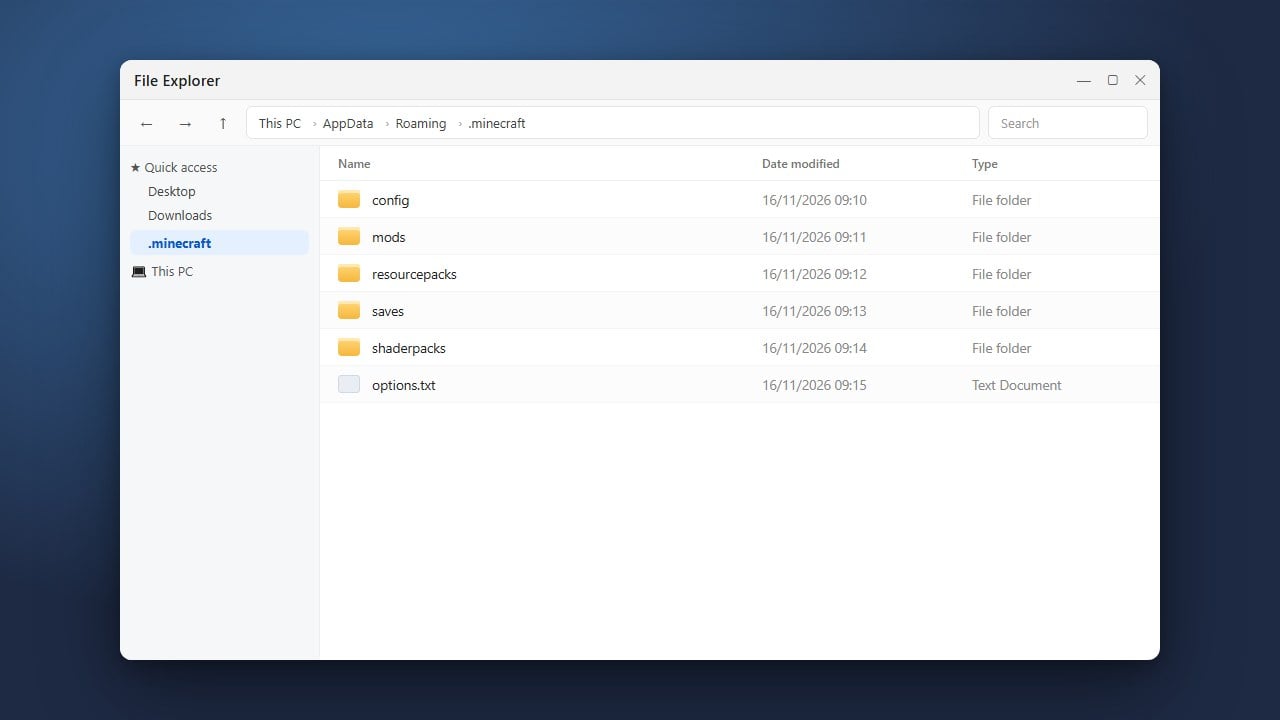
If you prefer navigating manually, you can learn How to Find Your .minecraft Folder to locate the resourcepacks folder directly.
3. Move the Pack File into the Game Directory
Drag and drop your downloaded texture pack file directly into the folder you opened. For Java Edition, drop the .zip file into the resourcepacks folder. For Bedrock Edition, simply double-click the downloaded .mcpack or .mcworld file, and Minecraft will automatically launch and import it for you.
4. Activate the Texture Pack In-Game
Return to Minecraft and navigate to your resource packs or settings screen. In Java Edition, your newly added pack will appear in the left column; hover over its icon and click the arrow button to move it to the Selected column on the right. In Bedrock Edition, go to Settings, select Global Resources or world-specific resource packs, and activate your pack under My Packs.
Click Done or exit the settings menu, and allow a few moments for Minecraft to reload and apply your new textures.
Frequently Asked Questions
Why is my texture pack showing as incompatible?
Texture packs display an incompatibility warning if they were made for a different version of Minecraft. While some older packs may still work partially, you should look for an updated version of the pack to avoid missing textures or visual glitches.
Do I need to unzip the texture pack file?
No. Both Java and Bedrock editions require texture packs to remain in their compressed format (.zip for Java or .mcpack for Bedrock). Placing an extracted folder inside your resource packs directory usually results in the game failing to recognize the pack.