Installing mods on Minecraft Pocket Edition (Bedrock Edition for mobile devices) is a great way to customize your game with new blocks, creatures, and tools. Unlike Java Edition, Bedrock uses add-on files that automatically import directly into your game, making the process quick and easy.
If tapping the file does not automatically open Minecraft, you can try renaming the file extension from .zip to .mcpack using your file manager.
Always back up your important worlds before adding new behavior packs or resource packs to prevent accidental data loss or corruption.
Download a Compatible Add-on File
First, find and download a trusted Bedrock-compatible add-on from a reputable community site. Make sure you download a file ending in .mcpack or .mcworld rather than a Java Edition mod file.
If you need more background on how these packs function across versions, you can review our guide on How to Install Add-ons (Bedrock) for additional details.
Locate the Downloaded File on Your Device
Open the default file manager app on your phone or tablet (such as Files by Google on Android or the Files app on iOS). Navigate to your Downloads folder to find the add-on file you just saved.
Open the File with Minecraft
Tap on the .mcpack or .mcworld file. Your device will prompt you to choose an app to open it with; select Minecraft. The game will automatically launch, and you will see an import message appear at the top of your screen.
Activate the Add-on in World Settings
Once the import is successful, go to your world selection screen, click the pencil icon next to your world to edit its settings, and scroll down to the Resource Packs or Behavior Packs tabs. Select your newly imported add-on and click Activate to enable it in your game.
Frequently Asked Questions
Can I install Java Edition mods on Minecraft PE?
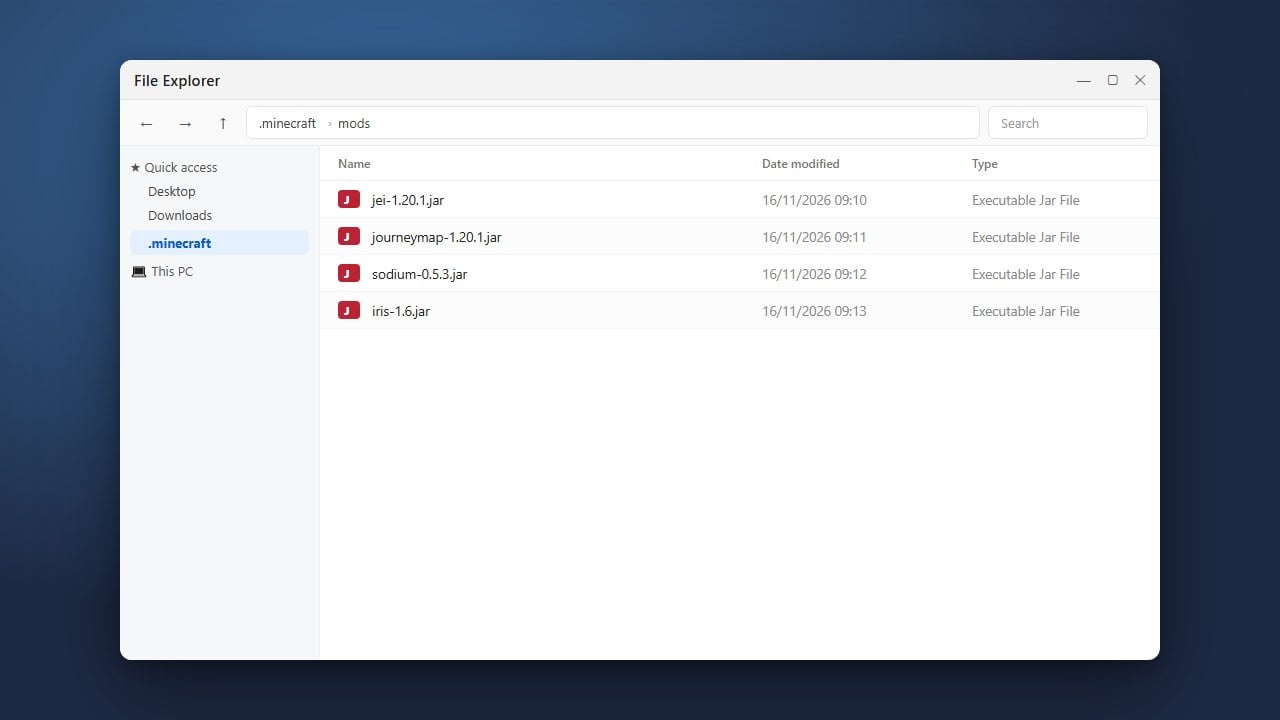
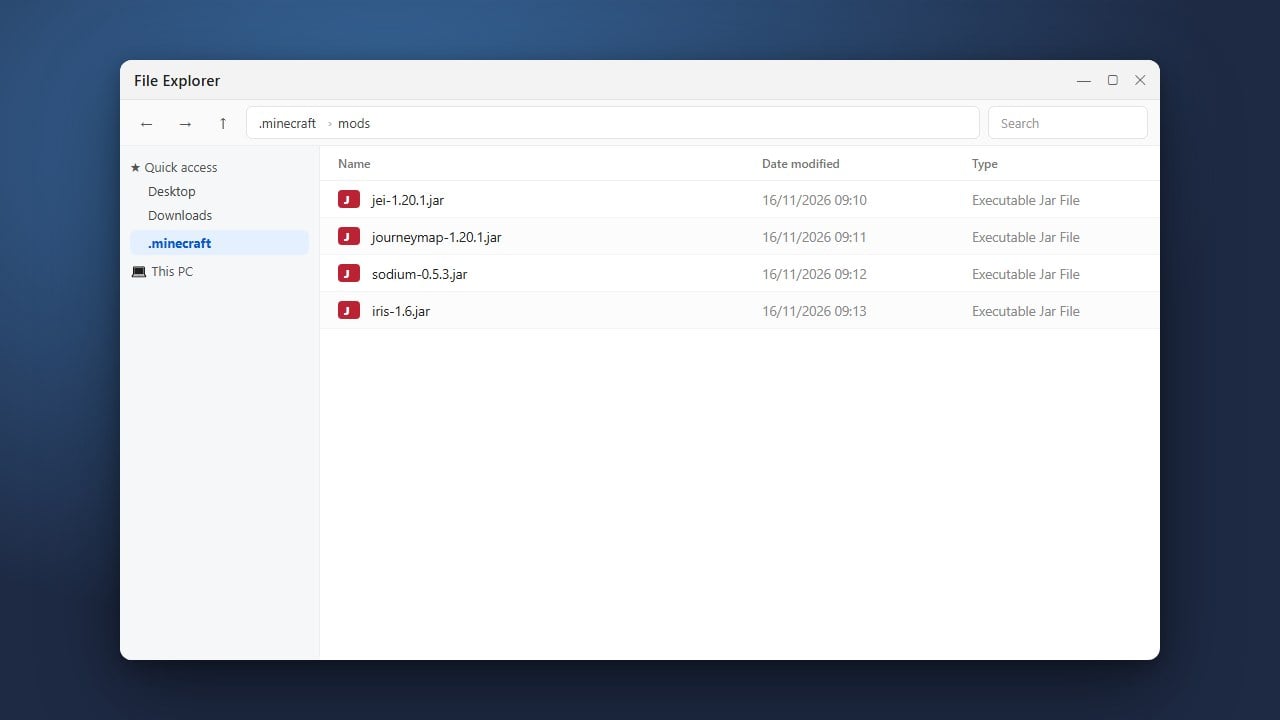
No. Minecraft PE runs on the Bedrock codebase, which does not support Java Edition mods like Forge or Fabric plugins. You must use Bedrock-specific .mcpack and .mcworld add-ons.
Where do imported add-on files go?
Minecraft automatically places imported packs into the game's internal storage folder under resource_packs or behavior_packs, so you do not need to manually move files around.