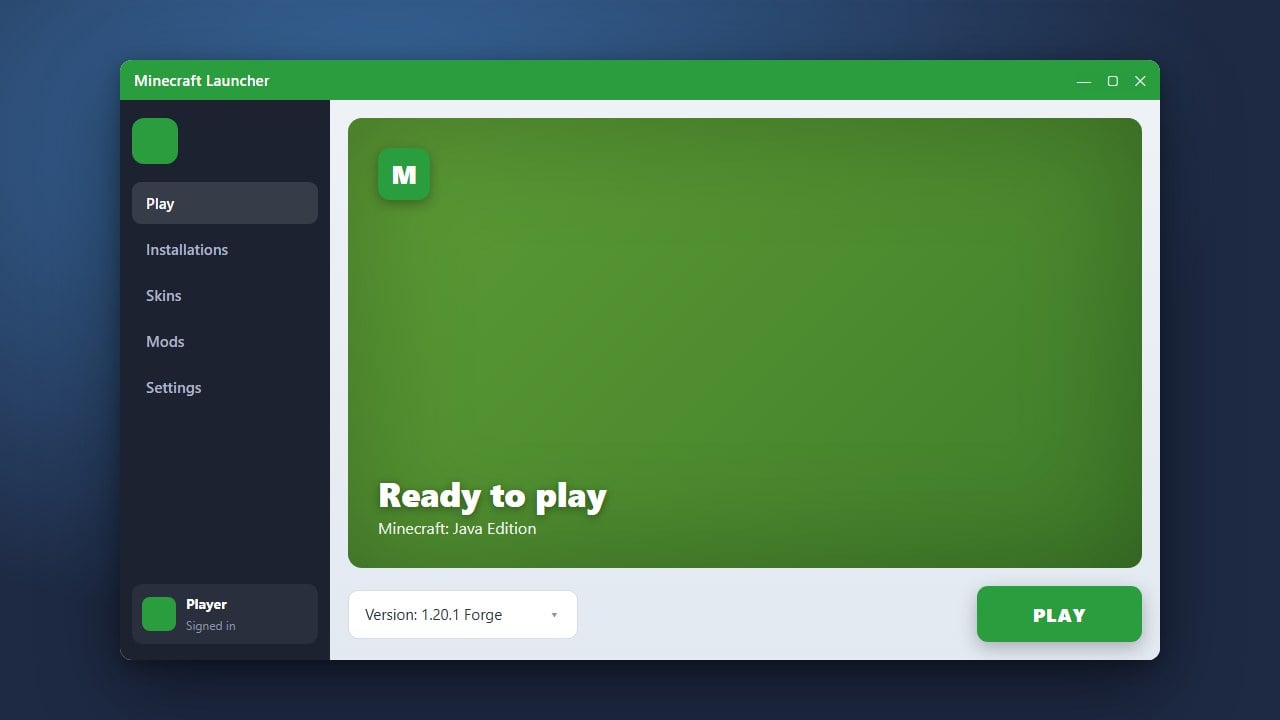
When modding Minecraft Java Edition, choosing the right mod loader is one of the first major decisions you will make. Both Forge and Fabric allow you to customize your game with incredible community-made content, but they operate quite differently under the hood.
What is Minecraft Forge?
Forge is the veteran mod loader of the Minecraft community, having powered massive overhaul mods for over a decade. It provides a robust, standardized framework that gives modders deep access to the game's code, making it the backbone for gigantic content packs that add new dimensions, hundreds of items, and complex machinery.
Because Forge has been around for so long, it boasts a massive library of classic mods. However, its comprehensive nature can sometimes make it heavier on system resources compared to newer alternatives.
What is Minecraft Fabric?
Fabric is a lightweight, modern mod loader designed for speed and modularity. Instead of providing a massive built-in toolkit like Forge, Fabric keeps its core extremely lean and relies on additional tools like the Fabric API to help mods communicate with the game.
Fabric updates very quickly whenever Mojang releases a new Minecraft update, often supporting snapshot versions and the latest releases within hours or days. This makes it a favorite for players who want to experience new vanilla features alongside performance and quality-of-life mods immediately.
Performance and Optimization
When it comes to raw performance, Fabric generally has the upper hand. Its lightweight design results in faster game launch times and smoother frame rates, especially when running optimization mods like Lithium and Sodium.
Forge has improved its performance significantly in recent years, but it still tends to consume more memory and take longer to load up when you have a large list of mods installed. If your PC struggles with performance, you can learn more about improving your setup with our guide on How to Increase FPS in Minecraft.
Mod Compatibility and Selection
The biggest deciding factor between the two loaders is simply mod availability. Forge and Fabric mods are entirely incompatible with each other; a Forge mod will not run on Fabric, and vice versa.
If you want to play legendary content mods like Twilight Forest or Create, you must use Forge (or its modern fork, NeoForge). If you prefer lightweight optimization, client-side tweaks, or smaller content mods that update instantly with each game patch, Fabric is the way to go.
Frequently Asked Questions
Can I use Forge and Fabric mods together at the same time?
No, Forge and Fabric use different underlying architectures and cannot run each other's mods natively. You must choose one loader per game profile and download mods specifically built for that loader.
Which mod loader is better for low-end PCs?
Fabric is generally better for low-end PCs because it is lightweight and pairs with exceptional performance-boosting mods that maximize your frame rates and lower memory usage.