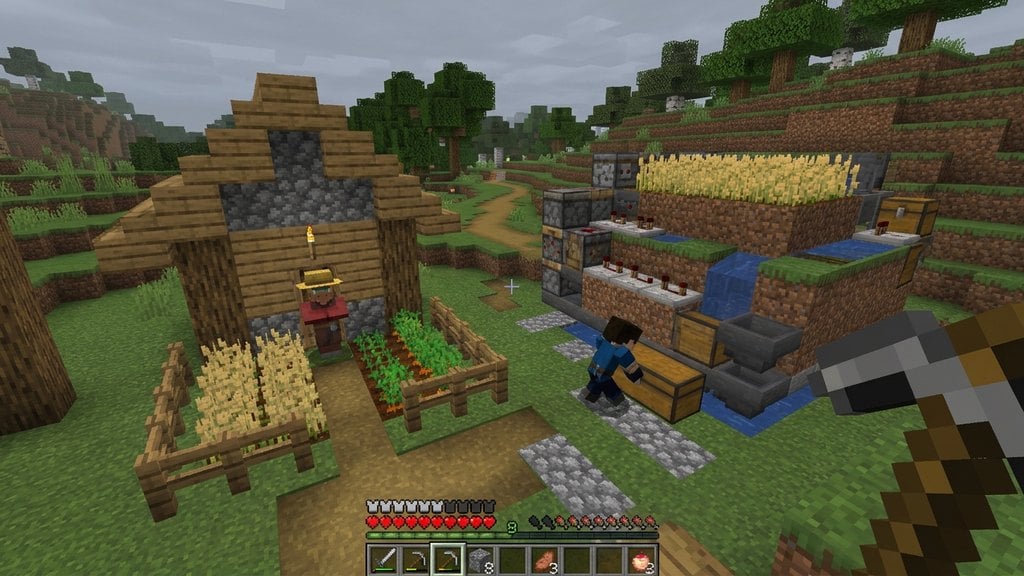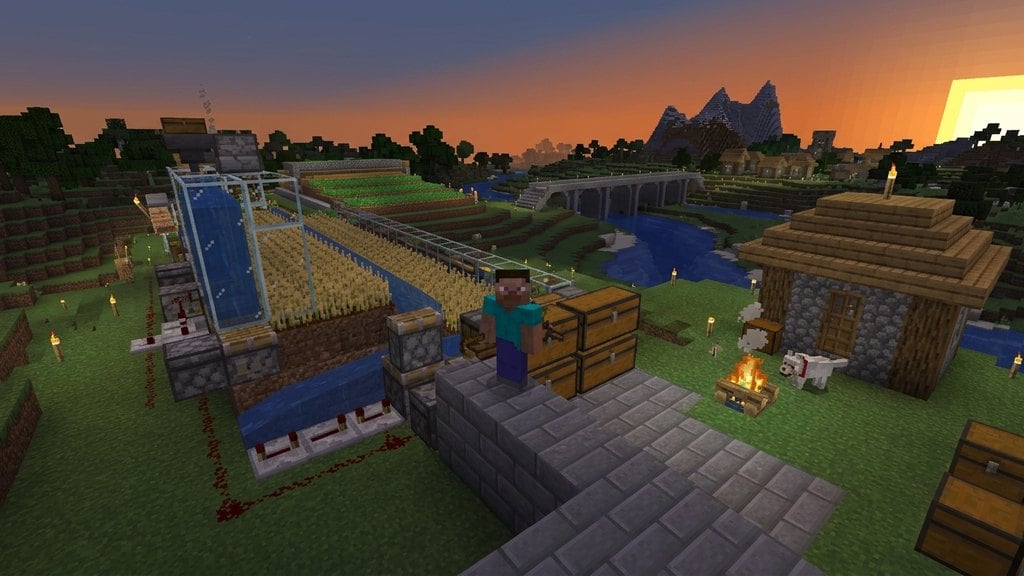
When exploring the infinite worlds of Minecraft, the game divides your surroundings into manageable building blocks called chunks. Understanding how these sections work is essential for mastering world generation, building large farms, and learning Minecraft Glossary: Every Term Explained concepts.
What Is a Chunk?
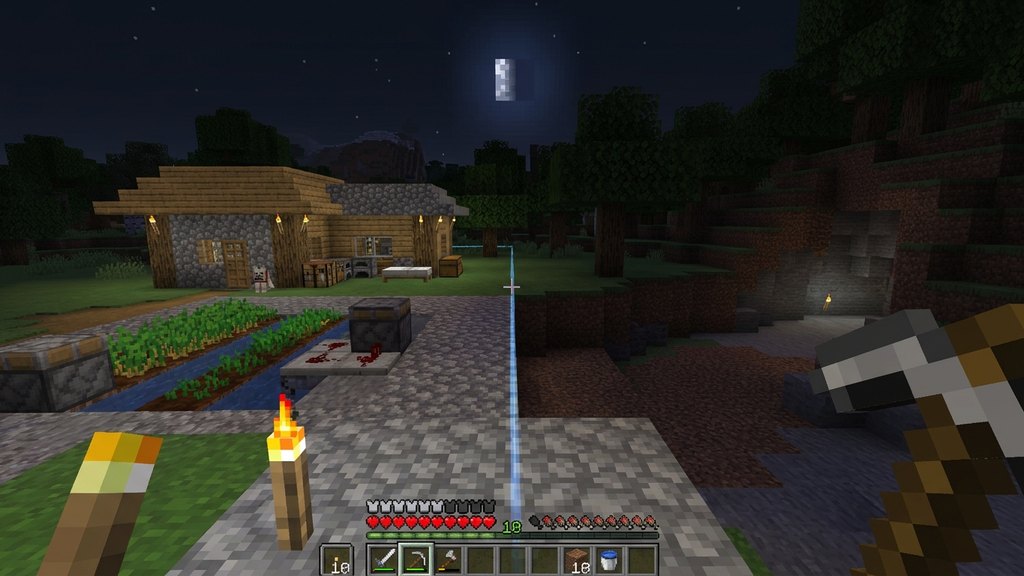
A chunk is a 3D section of the Minecraft world that measures 16 blocks wide, 16 blocks long, and stretches all the way from the bottom of the world to the top. Because infinite worlds would be impossible for your computer to load all at once, the game divides every world into a grid of these individual chunks.
As you walk around, the game continuously loads and unloads chunks around your player character. This clever system ensures that your computer or console only uses memory for the parts of the world you are currently visiting or interacting with.
Dimensions and Height
In modern versions of Minecraft (Java Edition 1.21+ and Bedrock Edition), a single chunk spans 16 × 16 horizontal blocks. Vertically, a chunk covers the entire build height of the dimension you are in.
In the Overworld, this vertical span reaches from Y coordinate -64 up to Y coordinate 320, giving every chunk a massive total height of 384 blocks. Sub-sections of chunks are often processed individually by the game engine to optimize rendering and lighting updates.
Chunk Loading and Simulation Distance
Your render distance and simulation distance settings determine how many chunks load around you at any given time. Render distance controls what you can visually see on your screen, while simulation distance controls how far away active gameplay mechanics—such as mob AI, crop growth, and redstone contraptions—continue to function.
If you experience stuttering or low frame rates while exploring new areas, lowering these distance settings can drastically improve performance. For deeper performance adjustments, check out our guide on How to Fix Minecraft Lag.
Java Edition vs Bedrock Edition Differences
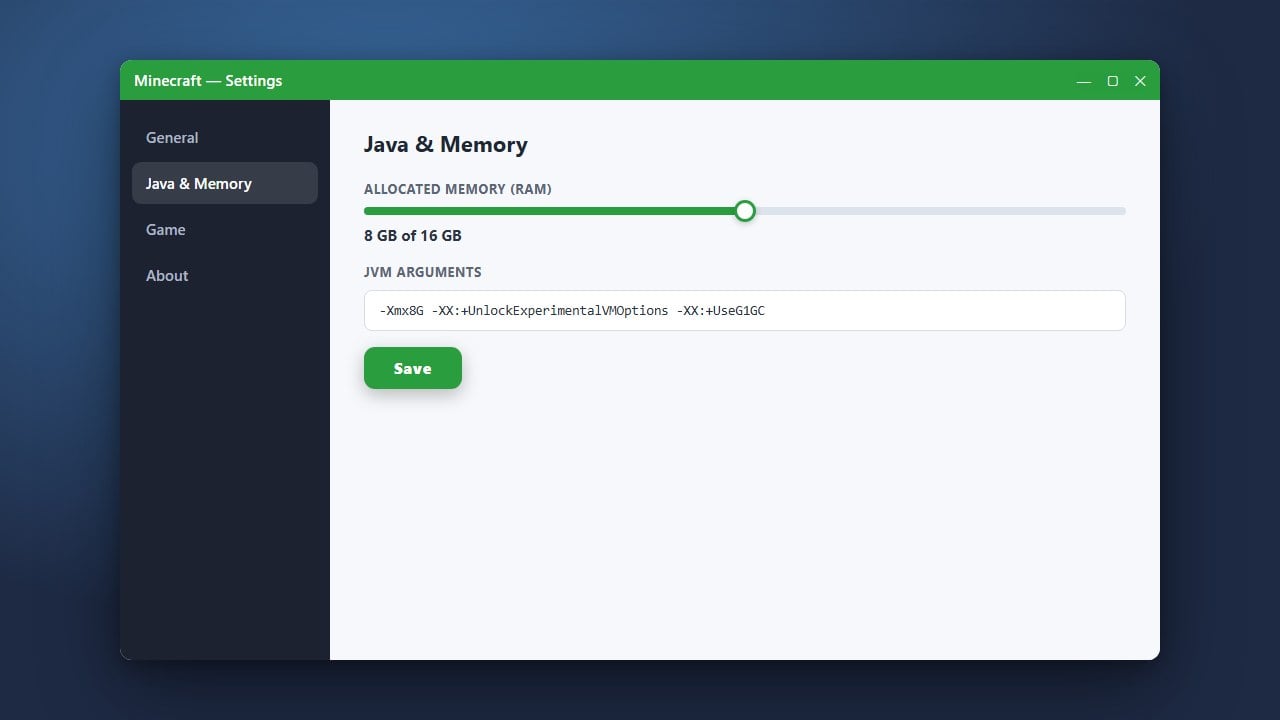
While chunks function similarly across both versions of the game, there are technical differences in how they behave. Java Edition relies heavily on your computer's CPU and allocated RAM to load and manage chunks, making memory management crucial.
Bedrock Edition is coded in C++ and handles chunk loading very efficiently across mobile devices, consoles, and PCs. Additionally, Bedrock features specialized blocks like ticking areas and allows different view distance configurations compared to Java's server-client chunk radius system.
Frequently Asked Questions
How many blocks are in a single Minecraft chunk?
Horizontally, a chunk is 16 by 16 blocks, totaling 256 surface blocks per layer. Vertically, it extends through the entire 384-block height of modern worlds, containing thousands of individual blocks in total.
What is a chunk error?
A chunk error happens when a section of the world fails to generate or save properly, often resulting in sudden straight walls of missing terrain, cut-off biomes, or visible empty space.
Do chunks load while I am in the Nether?
No. When you enter a dimension like the Nether, chunks in the Overworld remain unloaded unless a player is present there or a specialized plugin or mod forces them to stay active.