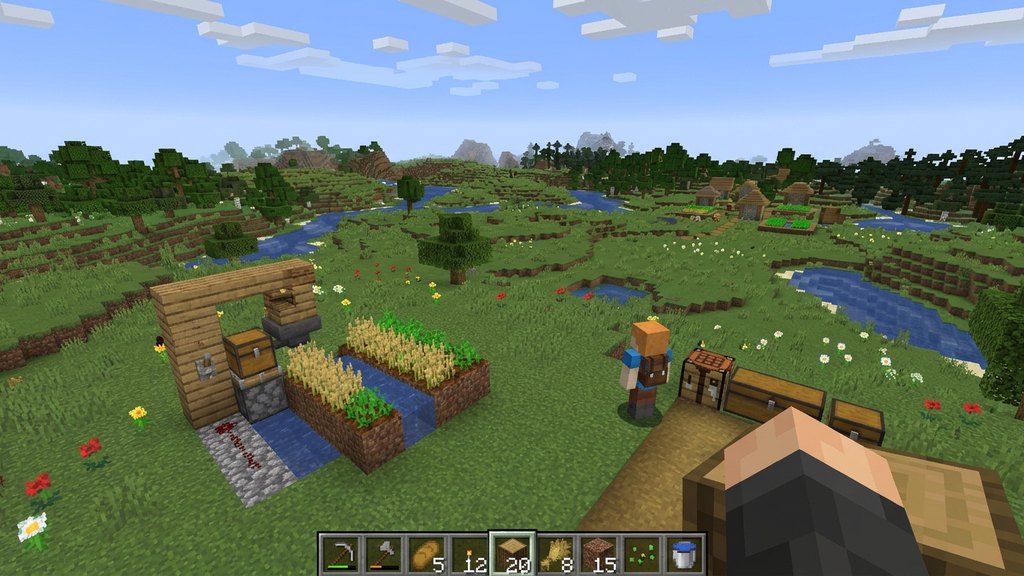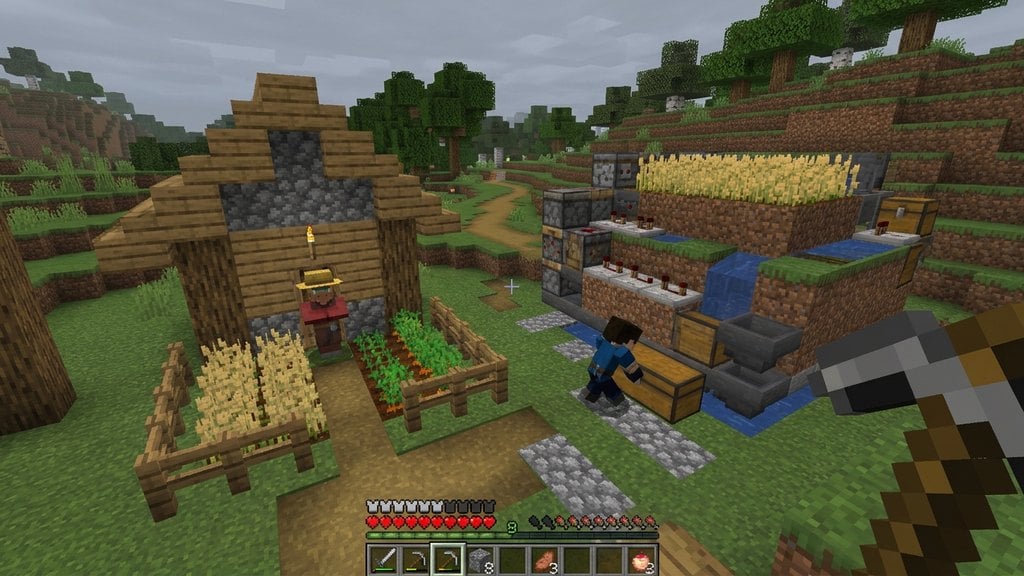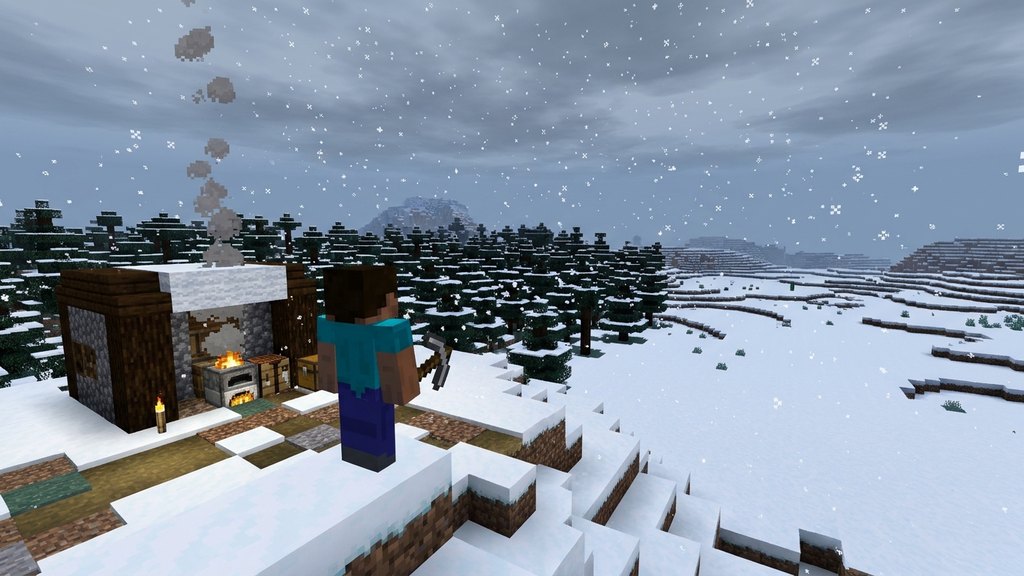
A biome is a distinct region in Minecraft that defines the local landscape, weather, blocks, plants, and animal life. From freezing snowy plains to scorching deserts, biomes give the game world its incredible variety and make exploration a core part of the adventure.
What Defines a Biome?
Every biome has its own unique characteristics that set it apart from surrounding areas. When you walk from one biome into another, you will often notice a sudden shift in the color of the grass and leaves, the steepness of the terrain, and the types of blocks under your feet.
Biomes also control local weather patterns. For example, rain in a standard forest biome turns into snow when you cross the boundary into a snowy slopes or frozen peaks biome. To understand more about how these worlds are generated from a single starting value, check out our guide on what is a seed in Minecraft.
Common Overworld Biomes
The Overworld contains dozens of different biomes grouped into broader categories like temperate, cold, dry, and lush regions. Some of the most common biomes include plains, forests, deserts, and swamps, each offering unique resources and building materials.
Rare biomes add exciting discoveries to your journeys. Finding a bamboo jungle, a mushroom fields island, or a towering badlands plateau can completely change how you gather materials and build your bases.
Biomes in Other Dimensions
Biomes are not restricted to the Overworld. Both the Nether and the End feature their own distinct ecological zones that change the gameplay experience entirely.
In the Nether, you can travel through crimson forests, warped forests, soul sand valleys, and basalt deltas. The End also features multiple island biomes beyond the central main island, where you can hunt for special structures and gather unique loot.
Mob Spawning and Wildlife
The creatures that spawn around you depend heavily on the biome you are currently exploring. Friendly mobs like cows, sheep, and pigs are common in grassy areas, while polar bears roam frozen oceans and ice spikes.
Hostile mobs also have biome preferences. Drowned zombies lurk in warm and deep oceans, while strays spawn instead of regular skeletons in snowy biomes. Knowing your biomes helps you track down specific animals or prepare for localized dangers.
Frequently Asked Questions
Do biomes affect crop growth?
Yes, indirectly. While crops grow based on light levels and water, biomes dictate whether it rains or snows, and some extremely hot or dry biomes can influence how quickly farmland dries out without nearby water.
Can you create a custom biome?
In vanilla Minecraft, you cannot create new biomes without data packs or mods. However, you can use specific world generation settings and what is a seed in Minecraft options to control which biomes appear in your world.