Since its public debut in 2009, Minecraft has evolved from a simple block-building sandbox into one of the most expansive and popular games in history. Understanding Minecraft's version history helps you trace when iconic features were introduced, how world generation changed over time, and how to navigate different eras of the game across both Java Edition and Bedrock Edition.
Explore the Early Development Eras (Classic to Beta)
Minecraft's life began on Java with rapid developmental phases created by Markus "Notch" Persson between 2009 and 2011: Classic, Indev, Infdev, Alpha, and Beta. These early phases established the core survival loop, crafting tables, infinite procedural terrain, the day-night cycle, redstone, and the Nether dimension.
During Beta, Minecraft added hunger, sprinting, experience levels, and creative mode, laying the groundwork for the modern survival sandbox experience before the game's official public debut.
Review the Classic Release Milestones (1.0 to 1.12)
Minecraft officially launched out of Beta as version 1.0.0 (The Adventure Update) at MINECON in November 2011, which introduced the End dimension and the Ender Dragon. Subsequent updates expanded core mechanics: 1.4 added the Wither and beacons, 1.7 doubled the world's biomes, 1.9 revamped combat and End islands, and 1.12 brought vibrant concrete blocks and glazed terracotta.
During this same window, Pocket Edition launched in 2011 and eventually transformed into Bedrock Edition with the 2017 Better Together Update, unifying mobile, Windows, and console editions onto a single cross-platform engine.
Follow the Thematic Expansion Overhauls (1.13 to 1.16)
Starting in 2018, Mojang shifted to named, thematic major releases that overhauled older parts of the game. Update Aquatic (1.13) revitalized oceans with shipwrecks, coral reefs, and water physics. Village & Pillage (1.14) completely redesigned village structures and introduced modern villager trading stations, raids, and crossbows.
This era concluded with the Nether Update (1.16) in 2020, transforming the barren red wasteland into a varied dimension containing piglins, bastions, bartering, and netherite gear.
Trace the World Generation Revolution (1.17 to 1.20)
Caves & Cliffs (1.17 and 1.18) dramatically changed Minecraft's terrain by increasing world build height and depth, adding deepslate layers, lush caves, dripstone caverns, and massive mountain peaks. This period also permanently synchronized version numbering between Java Edition and Bedrock Edition.
The Wild Update (1.19) followed with the eerie Deep Dark biome and Warden, while Trails & Tales (1.20) brought archaeological brush digging, sniffer mobs, armor trims, and cherry blossom biomes.
Experience Tricky Trials and Smaller Game Drops (1.21+)
The 1.21 Tricky Trials update introduced underground Trial Chambers, the breeze mob, heavy-hitting maces, and the redstone-powered automated crafter block. Following 1.21, Mojang adopted a new development model featuring more frequent, smaller "Game Drops" throughout the year rather than a single annual summer release.
These modern drops bring content such as the Pale Garden biome, the creaking mob, and bundles simultaneously to both Java Edition and Bedrock Edition.
Check and Change Versions on Your Device
You can easily check your current game build on the main title screen in both editions. If you want to confirm your active install, see our guide on how to check your Minecraft version.
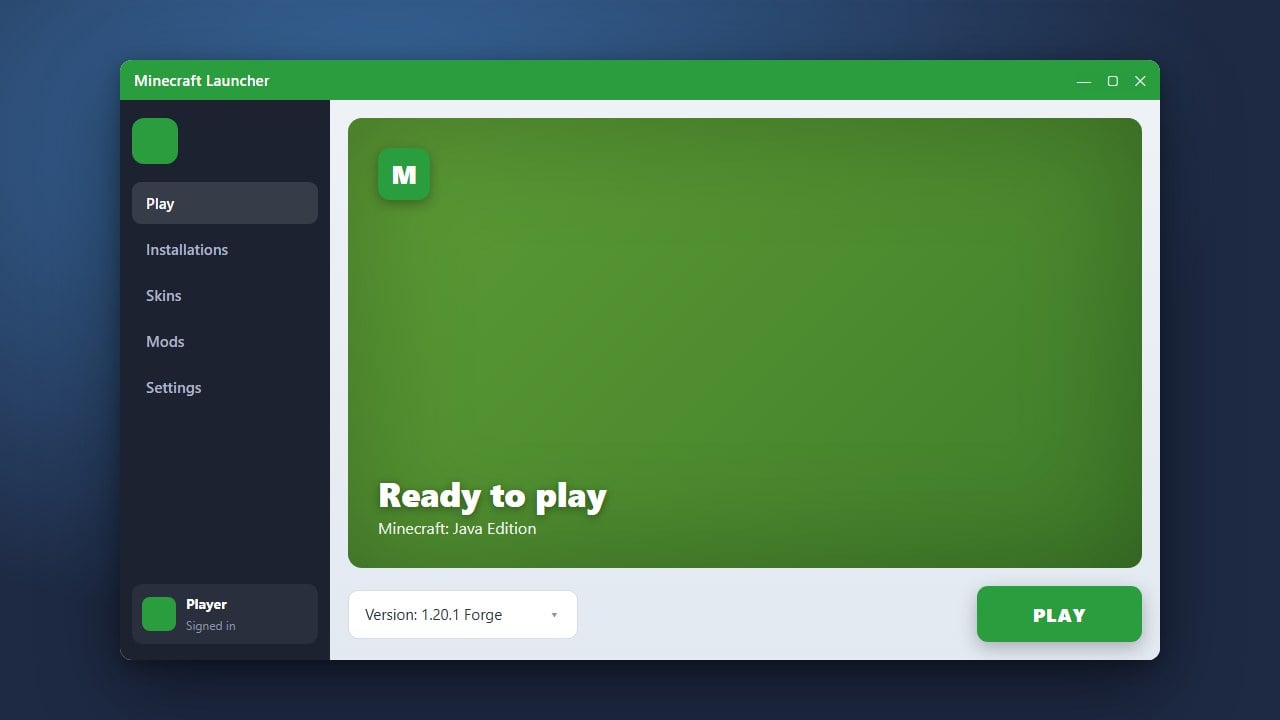
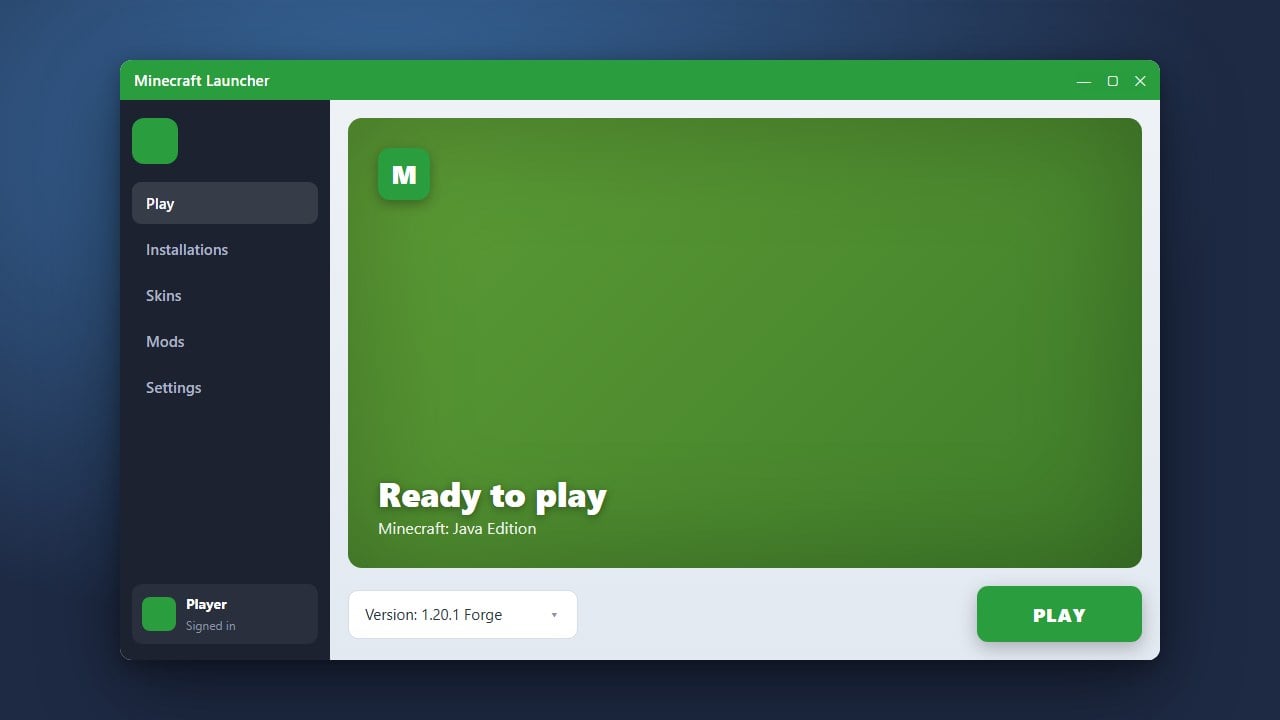
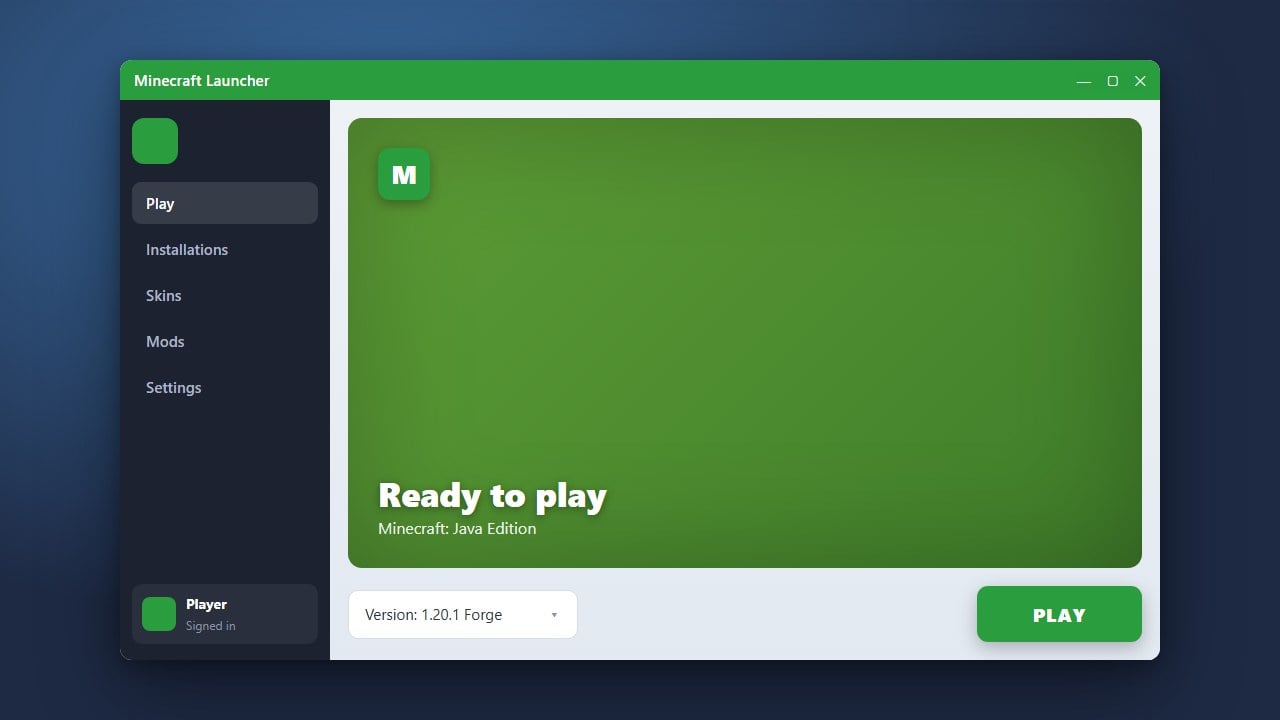
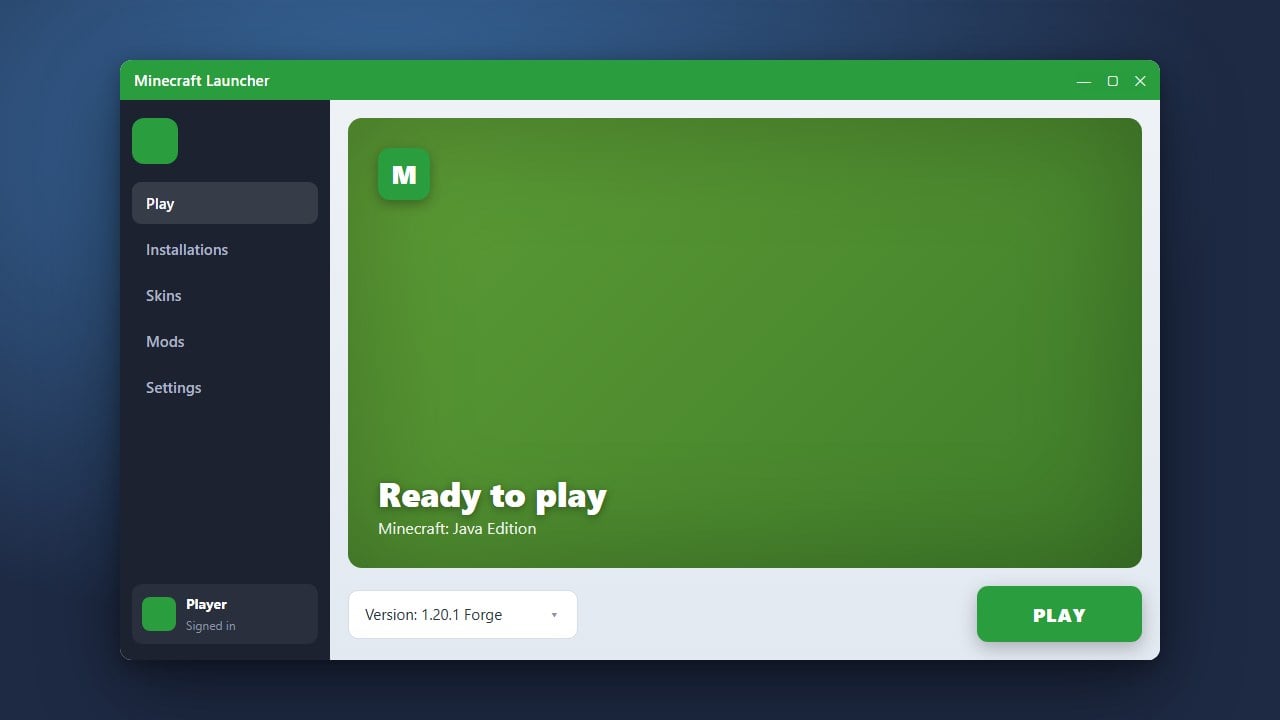
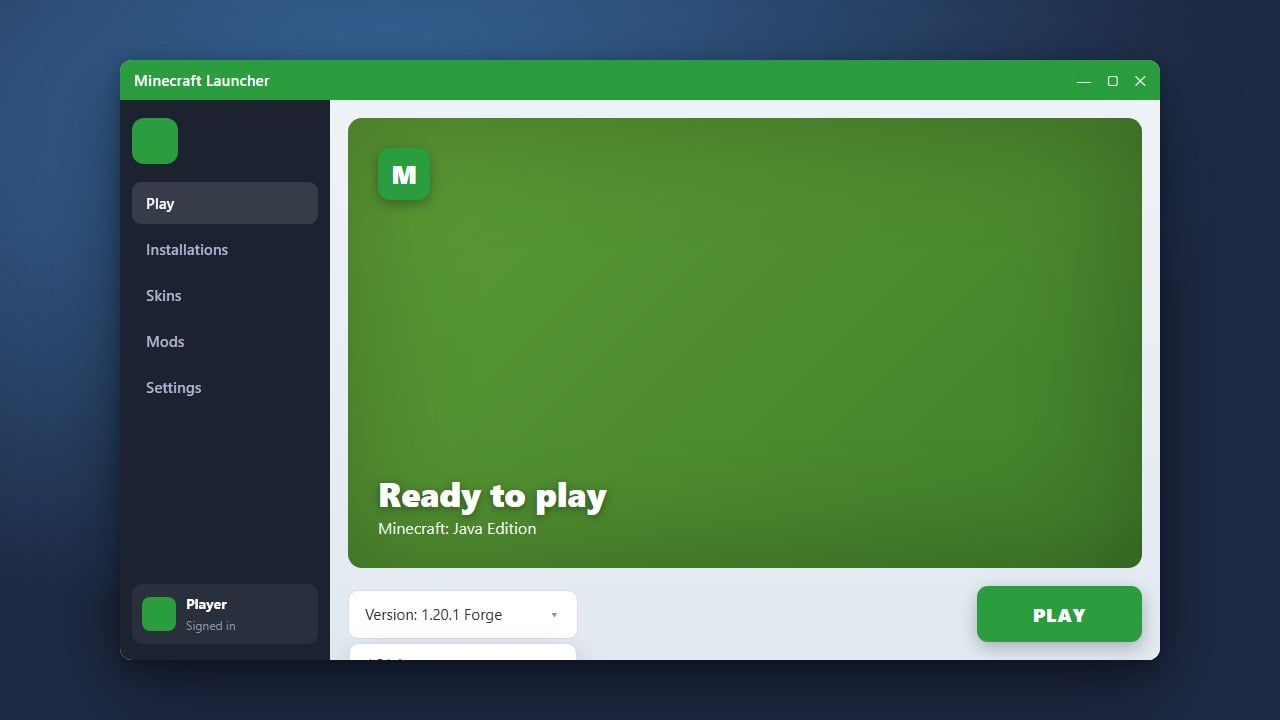
On Java Edition, you are not limited to the modern version; you can revisit classic eras using installations in the launcher. Learn the full process through our guide on how to play old versions of Minecraft, or switch between stable releases with our tutorial on how to change your Minecraft version.
Frequently Asked Questions
Why did Mojang switch to Game Drops after 1.21?
Mojang changed to smaller, regular "Game Drops" to release completed features more frequently throughout the year instead of making players wait twelve months for a single massive summer update.
When did Java Edition and Bedrock Edition align their version numbers?
Version numbering officially aligned with update 1.17 (Caves & Cliffs: Part I). Before 1.17, Bedrock Edition had its own separate numbering system, such as Bedrock 1.2 representing the Better Together Update.
Can you play older versions on Bedrock Edition?
The official Bedrock Edition launcher does not include a built-in historical version switcher like Java Edition. Bedrock players can join preview builds to test upcoming features, but cannot roll back to older released versions through the default client.