When talking about Minecraft mechanics, players often hear the words mob and entity used interchangeably. While they sound similar and both describe things moving around your world, they actually have different technical definitions that every builder and command creator should know. If you want to dive deeper into technical definitions, check out the Minecraft Glossary: Every Term Explained for more helpful breakdowns.
In command syntax, using @e[type=item] targets dropped item entities, whereas using @e[type=cow] targets a specific mob entity.
What Is an Entity?
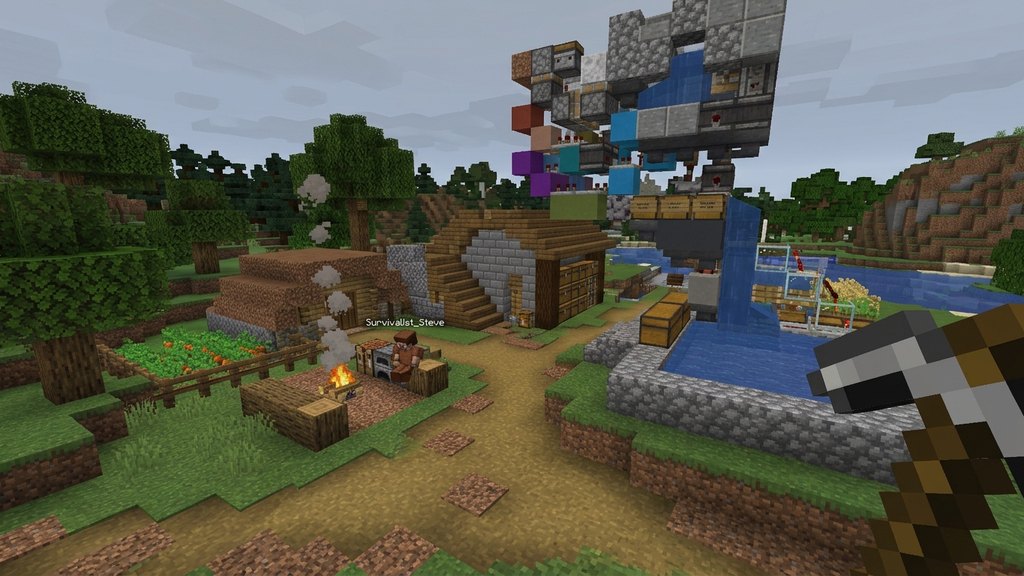
In Minecraft, an entity is a broad programming term for any dynamic, moving object in the game world that has its own position, physics, and data values. This includes living creatures, but it also includes interactive items and objects that you wouldn't normally think of as living.
Every entity is tracked actively by the game engine, meaning it processes movement, collisions, and environmental interactions frame by frame. Entities exist independently of standard static terrain blocks.
What Is a Mob?
The word mob is short for "mobile" and refers specifically to living, moving creatures in Minecraft. Mobs are a sub-category of entities that possess artificial intelligence (AI), paths of movement, health bars, and behaviors like attacking, fleeing, or breeding.
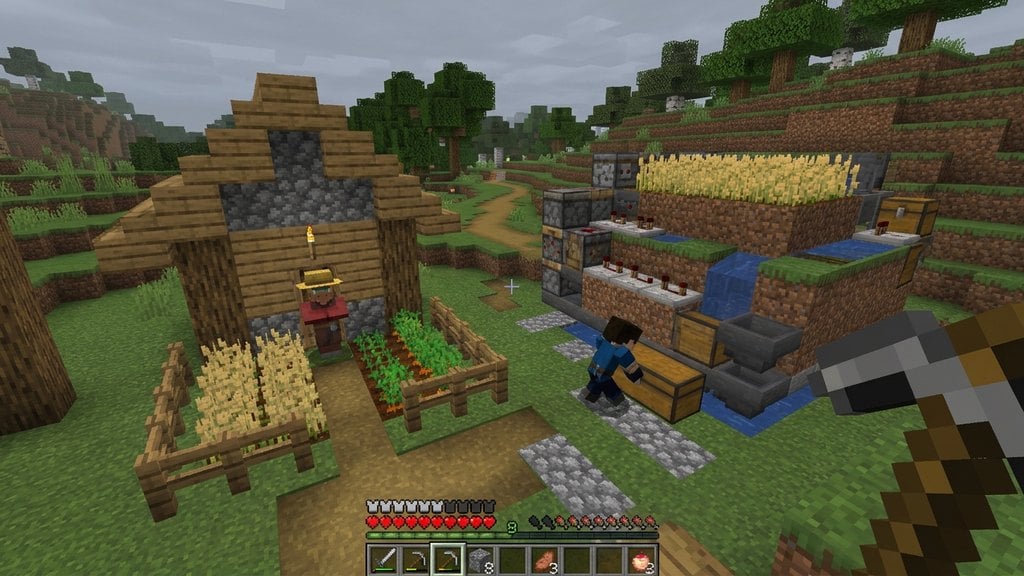
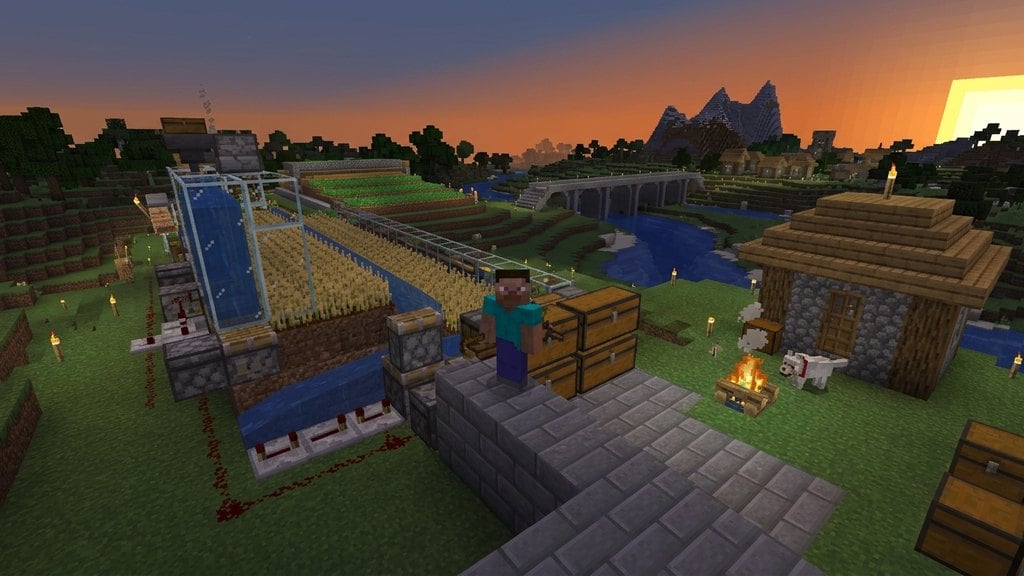
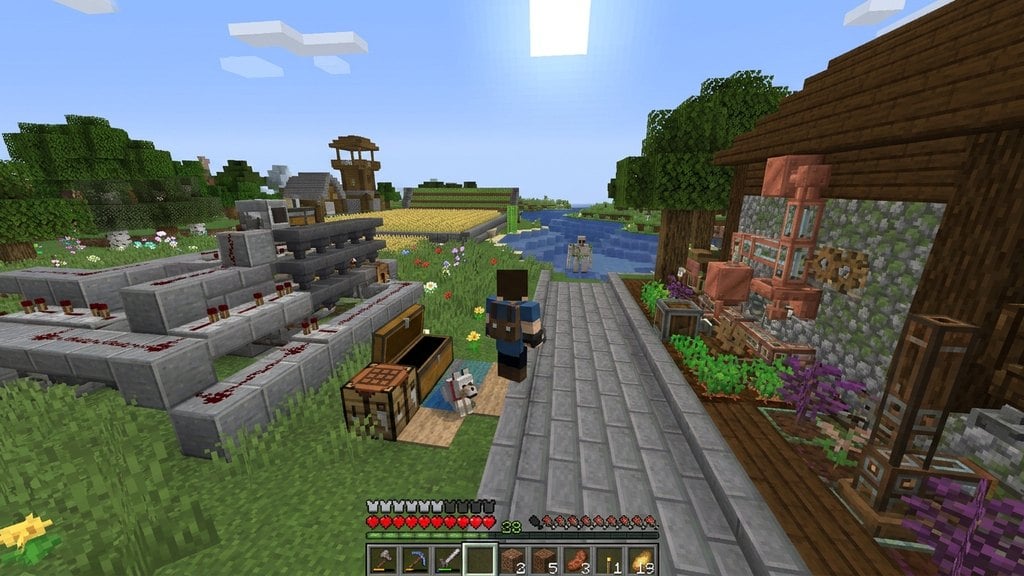
Examples of mobs include zombies, cows, villagers, and creepers. If it breathes, walks, spawns naturally, and has AI, it is a mob.
Key Differences: All Mobs Are Entities, But Not All Entities Are Mobs
The easiest way to understand the relationship between the two terms is a simple rule: every mob is an entity, but not every entity is a mob.
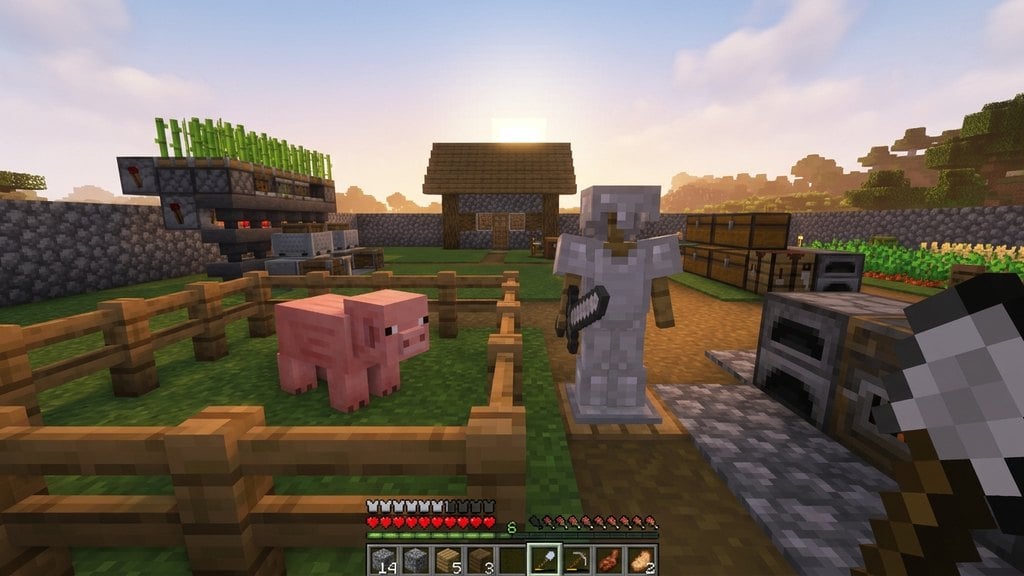
While a skeleton is both a mob and an entity, a dropped diamond sword on the ground is an entity, but definitely not a mob. Understanding this hierarchy helps clarify how commands and world mechanics target objects in your game.
Non-Mob Entities You Encounter Every Day
Because entities include everything dynamic that isn't a solid block, you interact with non-mob entities constantly during normal gameplay. Items dropped on the ground, arrows flying through the air, and XP orbs are all classified as entities.
Vehicles like minecarts and boats, as well as decorative items like item frames and paintings, are also entities. Even special objects like End crystals and thrown Ender Pearls count as entities in the game code.
Why the Distinction Matters for Commands
Knowing the difference between mobs and entities is crucial when using commands in both Java and Bedrock Edition. Game commands use target selectors like @e (all entities) versus @s or specific type filters.
If you want to clear dropped items from your world without harming your farm animals, you need to target non-mob entities specifically rather than executing a blanket command that affects everything moving.
Frequently Asked Questions
Is a player considered a mob or an entity?
A player is considered an entity, but is generally not classified as a mob. While players move and have health like mobs, they are controlled by humans rather than artificial intelligence.
Are item frames considered entities?
Yes! Item frames, paintings, and armor stands are all classified as entities in Minecraft. This is why having too many of them in one area can sometimes cause lag, just like having too many mobs.