Desert biomes are essential destinations in Minecraft, offering unique resources like cacti, camels, desert temples, and valuable archaeology loot. Because world generation clusters biomes into broad temperature zones, finding an arid expanse requires understanding how climate banding works or knowing the right navigation tricks. This guide explains how to track down a desert efficiently in both Java Edition and Bedrock Edition.
Prepare supplies for long-distance travel
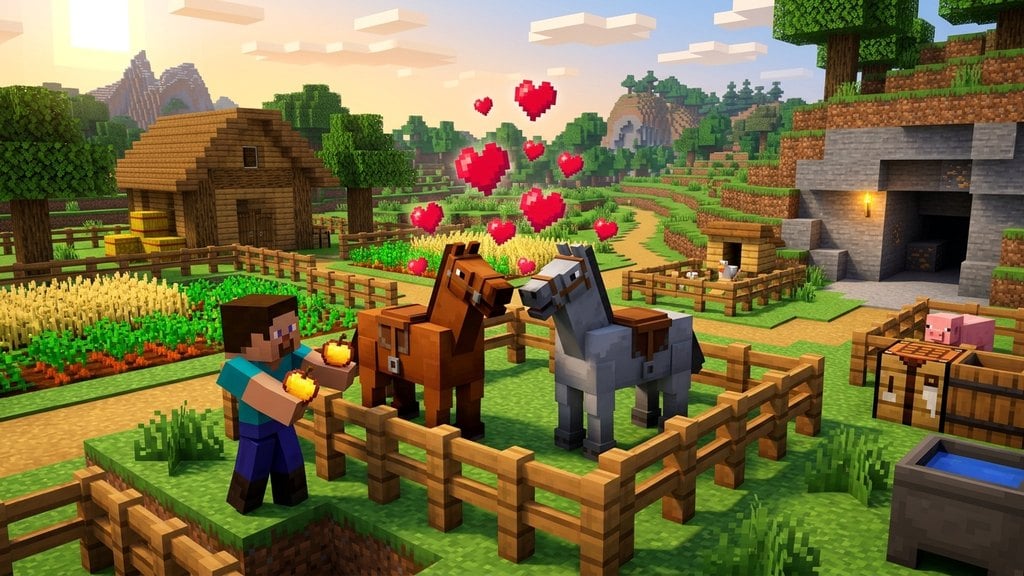
Deserts can generate thousands of blocks from your world spawn point if you begin in a cold or temperate region. Pack plenty of food, a bed to reset your spawn point and skip dangerous nights, spare tools, and a boat. Traveling on land is much easier if you know how to breed horses to secure a fast mount with high jump strength.
Travel toward warm climate biomes
Minecraft groups biomes into distinct temperature categories: snowy, cold, temperate, and warm. Deserts generate exclusively within warm climate zones. Pay close attention to surrounding vegetation; if grass and foliage turn a dull olive-green or yellowish hue, you are entering a warm zone.
Steer clear of snowy peaks, spruce forests, and taigas, which indicate you are heading in the wrong direction. Instead, search for savannas or badlands, as deserts almost always border these regions. If you pass through a savanna, you can also learn how to find an armadillo while surveying the landscape.
Sail across oceans and coastlines
Boating across oceans is the fastest travel method in the early game without consuming hunger. Place a boat in a large body of water and follow the coastlines in a single cardinal direction. Look for warm ocean features such as vibrant turquoise water and coral reefs.
When a warm ocean meets land, it frequently transitions directly into a desert or badlands biome. Watch the coastline for stretches of sand that extend far beyond normal beach borders.
Scout the horizon from high vantage points
Deserts are generally flat and covered in bright yellow sand, making them stand out sharply against green landscapes. When you reach an elevated hill or mountain, look out across the horizon during the day. You can also build a temporary pillar using dirt or cobblestone to get a bird's-eye view.
Equip a spyglass to zoom in on distant terrain features like sand dunes, desert temples, or village roofs. In video settings, temporarily increasing your render distance will reveal desert terrain from much farther away.
Use the locate command if cheats are active
If your world allows cheats or you have operator permissions on a server, you can pinpoint the nearest desert immediately. Open the chat console and enter /locate biome minecraft:desert.
In both Java Edition and Bedrock Edition, the game will return the exact X and Z coordinates of the closest desert. In Java Edition, you can click the highlighted coordinates in the chat log to autofill a teleport command, or you can simply walk toward those coordinates on your compass.
Frequently Asked Questions
Which biomes generate next to deserts?
Deserts primarily generate alongside other warm biomes, including savannas, badlands, plains, and warm oceans. You will never find a desert directly touching snowy plains, taigas, or frozen oceans.
Can I locate a desert using my world seed?
Yes. You can find your seed by typing /seed in Java Edition or looking under World Settings in Bedrock Edition. Entering that seed into an online biome mapping tool displays the exact positions of all deserts in your world.
Why is it taking so long to find a desert?
Since Minecraft 1.18, climate zones are much larger than in older versions. If you spawn inside a large cold or temperate cluster, you may need to travel 2,000 to 4,000 blocks in one direction before reaching a warm climate band.